
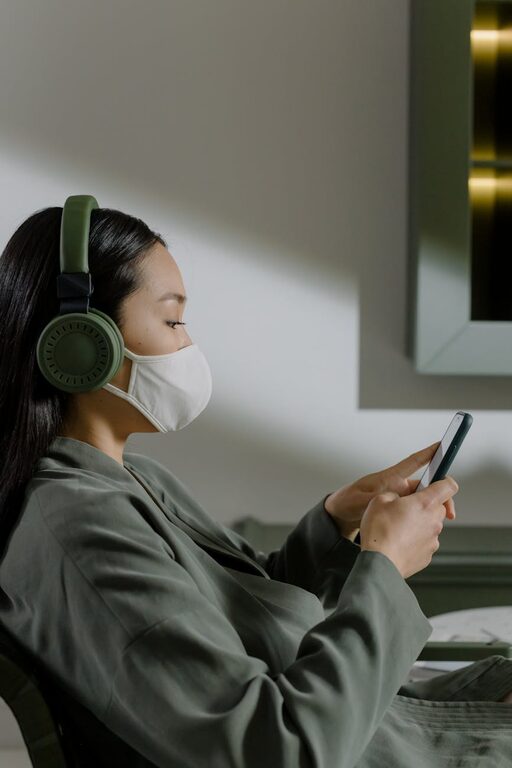
Spending long hours in front of screens—whether for work, study, or leisure—has become a daily habit for many. While technology offers incredible convenience, excessive screen time can cause discomfort and strain for your eyes. Fortunately, implementing a few simple strategies can help protect your vision and keep your eyes feeling fresh throughout the day. In this post, we’ll explore practical tips to reduce eye strain and promote healthy screen habits.
Understanding Eye Strain and Screen Time
Eye strain, also known as digital eye strain or computer vision syndrome, is a common issue caused by prolonged digital device use. Symptoms may include dry eyes, headaches, blurred vision, and discomfort. These symptoms often result from staring at screens without breaks, improper lighting, or poor posture.
Recognizing these signs early and making small changes can greatly improve your comfort and overall eye health.
Tips to Protect Your Eyes During Screen Time
1. Follow the 20-20-20 Rule
One of the easiest and most effective habits is the 20-20-20 rule. Every 20 minutes, take a 20-second break and look at something 20 feet away. This practice helps relax the eye muscles and reduces fatigue.
2. Adjust Your Screen Settings
– Brightness and Contrast: Set your screen brightness to match the ambient lighting in your environment. Too bright or too dim screens can cause strain.
– Text Size: Increase text size to avoid squinting.
– Color Temperature: Use warmer color settings, especially in the evening, to reduce blue light exposure that can affect sleep.
Many devices offer “night mode” or “blue light filter” options—enable these features during nighttime use.
3. Maintain Proper Lighting
Avoid using screens in dark rooms as this can increase eye strain. Use soft ambient lighting that reduces glare and reflections on the screen. Position your monitor to avoid direct light from windows or lamps.
4. Set Up Your Workspace Ergonomically
– Screen Position: Keep your screen about an arm’s length away (20-24 inches) and slightly below eye level.
– Chair and Desk: Sit comfortably with your back supported and feet flat on the floor.
Proper posture not only benefits your eyes but also your neck and back.
5. Blink More Often
When focusing on screens, people tend to blink less frequently, which can lead to dry eyes. Make a conscious effort to blink regularly or use artificial tears if needed to keep your eyes moist.
6. Take Regular Breaks
In addition to the 20-20-20 rule, stand up, stretch, and move around every hour. This helps reduce overall fatigue and encourages blood circulation.
7. Use Screen Protection Tools
– Anti-glare Screens: These reduce reflections.
– Blue Light Glasses: If you spend extended time on screens, consider wearing glasses designed to filter blue light.
8. Schedule Eye Exams
Regular eye check-ups are essential. An eye care professional can detect issues early and recommend corrective lenses or other treatments if necessary.
Additional Healthy Habits to Support Eye Health
Besides managing screen time, maintaining overall eye health is important:
– Eat a balanced diet rich in vitamins A, C, and E, as well as omega-3 fatty acids, which support eye health.
– Stay hydrated throughout the day.
– Avoid smoking, which can increase the risk of eye diseases.
– Protect your eyes from UV rays when outdoors by wearing sunglasses.
Conclusion
Protecting your eyes during screen time doesn’t have to be complicated. By applying simple tips such as taking regular breaks, adjusting your environment, and practicing good habits, you can minimize discomfort and maintain healthy vision. Remember to be mindful of your screen time and listen to your body—your eyes will thank you!
If you found these tips helpful, feel free to share this post or leave a comment about your own experiences managing screen time. Your eyes deserve the best care!