
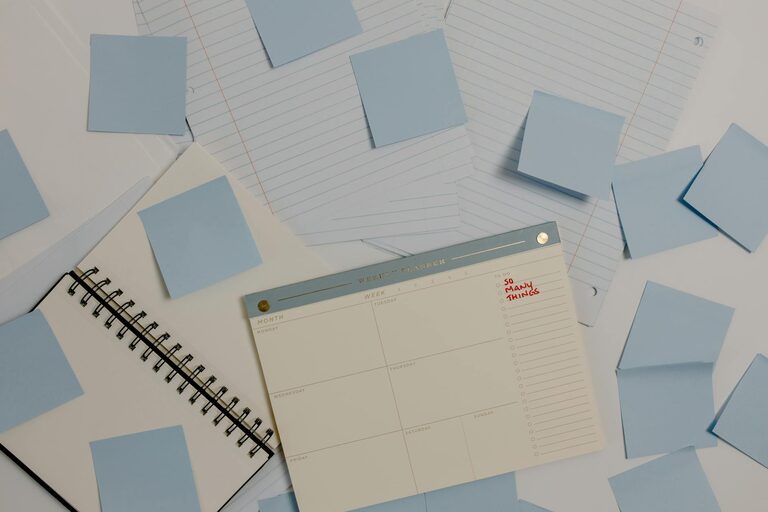
Bullet journaling has become a popular way to organize daily life, track goals, and unleash creativity all in one place. Whether you’re looking to better manage your time or simply enjoy a new hobby, bullet journaling offers a flexible, personalized method to keep everything in order. If you’ve never tried it before, this beginner guide will walk you through the essentials to get started confidently.
What is Bullet Journaling?
At its core, bullet journaling (or BuJo) is a system created by Ryder Carroll that combines planning, note-taking, task management, and habit tracking in a single notebook. Instead of using multiple apps or planners, a bullet journal helps capture your thoughts, tasks, and goals quickly using simple symbols and organized layouts.
The beauty of bullet journaling lies in its adaptability. You decide what works for you—whether that’s minimalist daily logs or colorful collections with doodles and stickers.
Why Start Bullet Journaling?
– Stay organized: Keep track of appointments, deadlines, and to-dos in one place.
– Boost productivity: Prioritize tasks and see your progress visually.
– Improve focus: Writing things down helps clarify goals and reduce stress.
– Encourage creativity: Personalize pages with designs, colors, and layouts.
– Track habits: Monitor daily habits to help build positive routines.
What You’ll Need to Begin
Starting bullet journaling doesn’t require fancy tools. Here’s what you need:
– Notebook: Choose one that suits your style—a dotted grid notebook is popular, but lined or plain pages also work.
– Pen: Pick a reliable pen that feels comfortable for writing and drawing.
– Optional supplies: Colored pens, markers, rulers, stickers, or washi tape for decoration.
Bullet Journal Basics: Key Elements
1. Index
The index acts like a table of contents. Number your pages and list topics so you can find information easily later.
2. Future Log
A section for long-term plans and events over the coming months. Helps you keep an eye on important dates.
3. Monthly Log
A calendar page or list overview of the current month’s tasks, events, and goals.
4. Daily Log
Your day-to-day task list, notes, and appointments recorded as they come.
5. Collections
Any themed pages such as books to read, habit trackers, meal plans, or project ideas.
Bullet Journal Symbols (Bullets)
Using simple symbols helps you quickly identify the status of each task:
– • (Dot): Task
– ◦ (Open circle): Event
– – (Dash): Note
– X: Completed task
– > : Task migrated to next day or month
– < : Task scheduled for the future
You can customize or add your own symbols as needed.
Step-by-Step Guide to Setting Up Your First Journal
Step 1: Set Up Your Index
Reserve the first two pages for your index. As you add pages, update the index with page numbers and topics.
Step 2: Create the Future Log
Split two pages into sections for each upcoming month—write down any big future events or deadlines.
Step 3: Make a Monthly Log
On a new page, write the current month’s name. Create a list of days (1 to 30/31). Next to each date, jot appointments or reminders.
Step 4: Start Your Daily Logs
Every morning or the night before, create a daily log page. List tasks, events, and notes for that day. Mark each item with the bullet symbol that applies.
Step 5: Add Collections
Start a new page for any special lists or projects. Examples include:
– Books to read
– Movies to watch
– Fitness goals and workout plans
– Travel planning
– Budget tracking
Be creative and use these pages to inspire you.
Tips for Beginners
– Keep it simple: Don’t feel pressured to decorate every page. Function is key when starting out.
– Be consistent: Update your journal daily or at least regularly to build the habit.
– Experiment: Try different layouts and symbols until you find what feels natural.
– Use sticky notes: If you’re unsure about a layout, test it on a sticky note before drawing it permanently.
– Don’t compare: Your journal is personal. Focus on what works best for your life and preferences.
Common Mistakes to Avoid
– Trying too many complicated spreads at once.
– Neglecting regular updates, which causes it to become cluttered.
– Focusing too much on aesthetics over functionality.
– Using bulky notebooks that are inconvenient to carry.
Digital vs. Analog Bullet Journaling
Though traditional bullet journaling uses pen and paper, digital versions are popular too. Apps and digital note-taking tools can mimic the BuJo system while offering portability and easy edits. For beginners, though, starting with a physical journal is often more motivating.
Final Thoughts
Bullet journaling offers a wonderful way to combine organization with creativity. It’s not just a planner but a personal tool for reflection and growth. Start small, build your system gradually, and enjoy the process of making your daily life more manageable and meaningful.
Happy journaling!