
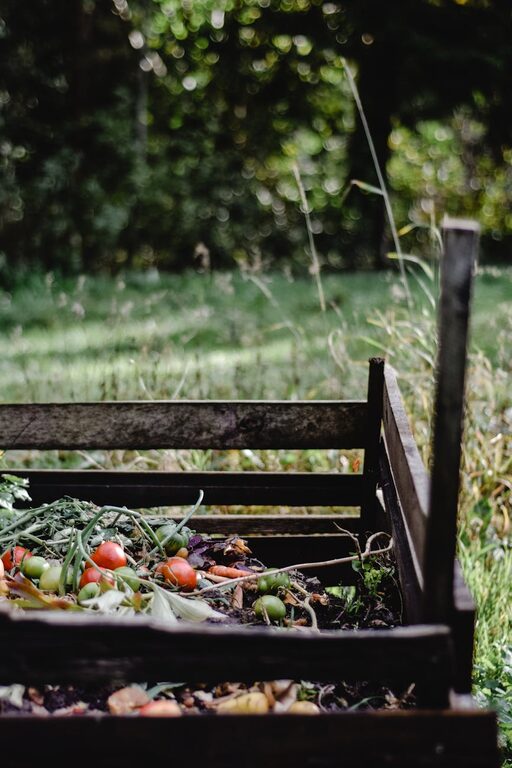
Composting at home is a fantastic way to turn kitchen scraps and yard waste into rich, fertile soil that benefits your garden. It’s an eco-friendly practice that reduces the amount of trash sent to landfills and supports healthy plants. If you’re new to composting, don’t worry—getting started is easier than you might think! This guide will provide beginner tips to help you build a successful compost pile or bin at home.
What Is Composting?
Composting is the natural process of recycling organic materials like food scraps, leaves, and grass clippings into humus—a dark, nutrient-packed soil amendment. Microorganisms break down these materials over time, creating compost that improves soil health and helps plants thrive.
Benefits of Composting at Home
– Reduces waste: Composting diverts food scraps and yard waste from landfills.
– Enriches soil: Adds nutrients and improves soil structure.
– Saves money: Less need for chemical fertilizers.
– Promotes sustainability: Supports a healthier environment by lowering methane emissions from garbage.
Getting Started: Choose Your Composting Method
There are a few different composting methods you can try, depending on your space and lifestyle:
1. Compost Bin
A compost bin contains your materials in an enclosed container, helping to control odor and pests. You can buy one or build a simple DIY bin using wood pallets or wire mesh.
2. Compost Pile
If you have a larger yard, you can simply start a compost pile on the ground. It’s easy to maintain but might attract wildlife and requires regular turning.
3. Tumbler
A compost tumbler is a rotating barrel that makes turning and mixing your compost easier. It’s compact and ideal for smaller spaces but usually more expensive.
What You Can Compost: The Basics
Successful composting depends on a balanced mix of “greens” and “browns.”
Greens (Nitrogen-rich materials)
– Fruit and vegetable scraps
– Coffee grounds and tea bags
– Grass clippings
– Fresh plant trimmings
Browns (Carbon-rich materials)
– Dry leaves
– Straw or hay
– Shredded paper or cardboard
– Small branches and twigs
Avoid composting meat, dairy, oils, and diseased plants as they can attract pests or cause odors.
Beginner Tips for Home Composting Success
1. Start with the Right Location
Pick a spot that’s convenient, gets some sunlight, and has good drainage. Avoid placing your compost where it will stay too wet or too dry.
2. Chop or Shred Materials
Breaking down larger scraps helps speed up decomposition. Cut veggie scraps into smaller pieces and shred paper before adding them.
3. Layer Greens and Browns
Aim for roughly a 2:1 ratio of browns to greens. Alternate layers of carbon-rich and nitrogen-rich materials to maintain balance.
4. Maintain Moisture
Your compost should be as damp as a wrung-out sponge. Sprinkle water if it’s too dry or add more dry browns if it’s overly wet.
5. Turn Regularly
Aerate your compost every week or two by turning it with a pitchfork or shovel. Oxygen promotes faster breakdown by microbes.
6. Be Patient
Composting can take anywhere from a few weeks to several months. Finished compost is dark, crumbly, and smells earthy.
7. Troubleshooting Common Issues
– Bad odors? Usually a sign of too much moisture or lack of air. Turn the pile and add dry browns.
– Pile too dry? Add water and some fresh green materials.
– Pests around compost? Avoid meat and dairy, cover food scraps with browns, or use a closed bin.
How to Use Your Finished Compost
Once your compost is ready, you can:
– Mix it into garden soil to improve fertility.
– Use as mulch around plants to retain moisture.
– Add to potted plants for a nutrient boost.
Additional Tips: Composting in Small Spaces
If you live in an apartment or have limited outdoor space, try these options:
– Vermicomposting: Use worms to break down food scraps indoors.
– Bokashi composting: Ferments food waste in an airtight container for quick breakdown.
– Countertop compost bins: Collect scraps before transferring them to community composting sites.
Conclusion
Starting composting at home is an easy, rewarding way to reduce waste and nourish your garden. By choosing the right method, balancing your materials, and maintaining your pile with regular care, you’ll create rich compost while supporting a greener planet. Give these beginner tips a try, and watch your kitchen scraps transform into black gold for your plants!